

Introduction
Packaged milk serves as an essential item that millions of households need on a daily basis. Consumers expect milk products to meet safety standards while maintaining hygienic conditions and preventing dangerous substances from entering the product. The process of ensuring milk safety extends beyond the boundaries of pasteurization and packaging methods. The function of certified milk testing services becomes essential at this point.
Quality control procedures require complete adherence throughout all stages from dairy farms to processing plants and retail shelves. The services of professional milk testing organizations enable the identification of adulteration and microbial contamination and quality deviations which occur before products reach their final consumer stage. This blog demonstrates how certified testing methods protect public health while establishing consumer confidence in dairy products.
Why Milk Safety Is a Serious Concern
Milk provides essential nutrients to the human body but its high nutritional value comes with an important drawback because it spoils easily. When milk does not receive proper handling and testing it turns into a dangerous product which enables bacteria to multiply and people to become exposed to chemical contaminants and base substances.
Understanding the role of certified milk testing services is essential because contamination can occur at various stages:
- During milking and collection
- During transportation and storage
- During processing and packaging
The presence of dangerous milk products which exist without testing systems creates a major health threat because it can lead to foodborne disease outbreaks.
What Do Milk Testing Services Evaluate?
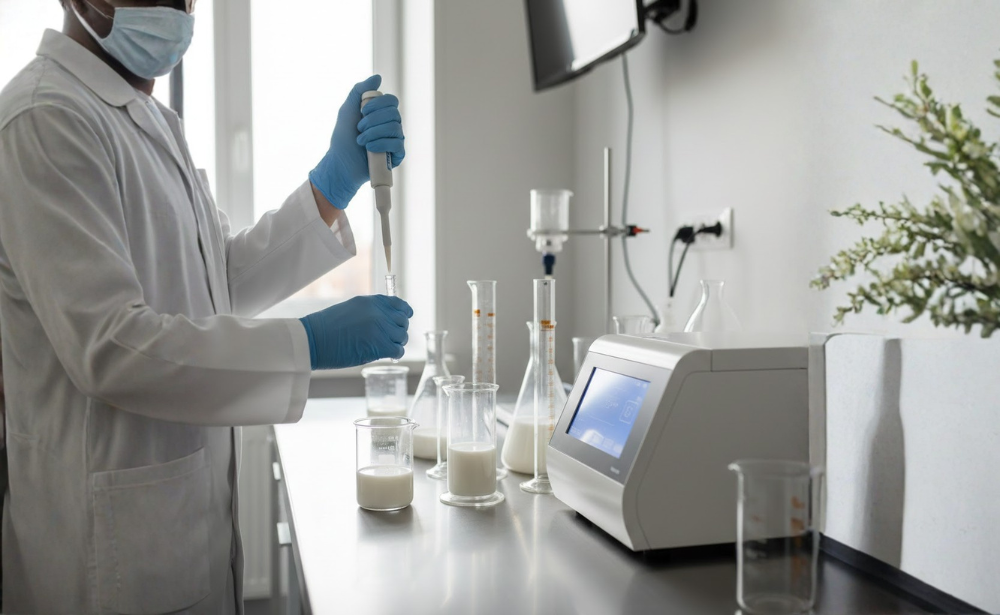
Professional milk testing services conduct extensive assessments which determine product safety and product quality. The main testing parameters include these following elements:
1. Microbiological Testing
The test identifies dangerous bacteria which include Salmonella and E. coli and Listeria. The microbial assessment process verifies that milk products meet safety standards for human consumption.
2. Adulteration Testing
The test detects dangerous substances which include urea and detergents and starch and diluted water. The primary responsibility of certified milk testing services requires them to prevent all forms of milk adulteration.
3. Chemical and Residue Testing
The process tests for pesticide residues and antibiotic presence and any chemical contaminants that might reach the milk supply chain.
4. Fat and SNF (Solids-Not-Fat) Analysis
The test verifies that milk products fulfill both nutritional standards and labeling specifications.
The Role of Certified Milk Testing Services in Public Health
The certified milk testing services function as a method to safeguard public health while they maintain product quality. Certified laboratories use calibrated instruments according to strict regulatory guidelines to provide accurate test results.
Milk testing services detect contamination during the early stages which helps them block dangerous products from reaching consumers. The process protects vulnerable groups which include children and elderly people from the outbreak of diseases.
Ensuring Regulatory Compliance
Dairy producers must comply with national and international food safety regulations. The authorities require proof through documentation which shows that milk products achieve safety standards.
The services of certified milk testing facilities deliver two essential elements for inspection purposes. This helps dairy businesses:
- Avoid penalties and product recalls
- Maintain licensing approvals
- Build credibility with retailers and consumers
Certified milk testing services maintain their essential role because they establish industry standards.
Enhancing Consumer Trust
Modern consumers are increasingly aware of food safety concerns. Testing and certification transparency improves brand reputation while increasing consumer trust.
Dairy brands show their dedication to safety and quality through partnerships with accredited milk testing services. The proactive approach creates stronger customer loyalty and improves market position.
Supporting Dairy Industry Growth
The dairy sector achieves sustainable growth through dependable testing systems. The certified laboratories help producers extend their market reach by reducing contamination risks and maintaining their product quality.
The certified milk testing services fulfill their function for export purposes because various importing countries demand specific quality certifications for dairy products.
Conclusion
So, is your packaged milk truly safe? The answer largely depends on the effectiveness of testing and quality control measures. The certified milk testing services perform essential functions for food safety through their work in identifying contaminants and stopping product adulteration and their role in maintaining industry standards.
The dairy producers allocate funds to professional milk testing services because these tests protect public health and build consumer trust while preserving their industry reputation. The safety of milk products which people consider vital should never be endangered because certified testing processes provide the most effective protection.
FAQs
1. What are milk testing services?
Milk testing services analyze milk samples to detect contamination, adulteration, and quality deviations to ensure safety and compliance.
2. Why is certified milk testing important?
Certified testing ensures accurate results, regulatory compliance, and protection against foodborne health risks.
3. What contaminants are commonly tested in milk?
Milk is tested for bacteria, antibiotic residues, pesticides, chemical adulterants, and nutritional composition.
4. How often should milk be tested?
Milk should be tested regularly at different stages of production, including collection, processing, and packaging.
5. Do milk testing services help prevent product recalls?
Yes, early detection of contamination helps prevent unsafe products from reaching consumers, reducing recall risks.