

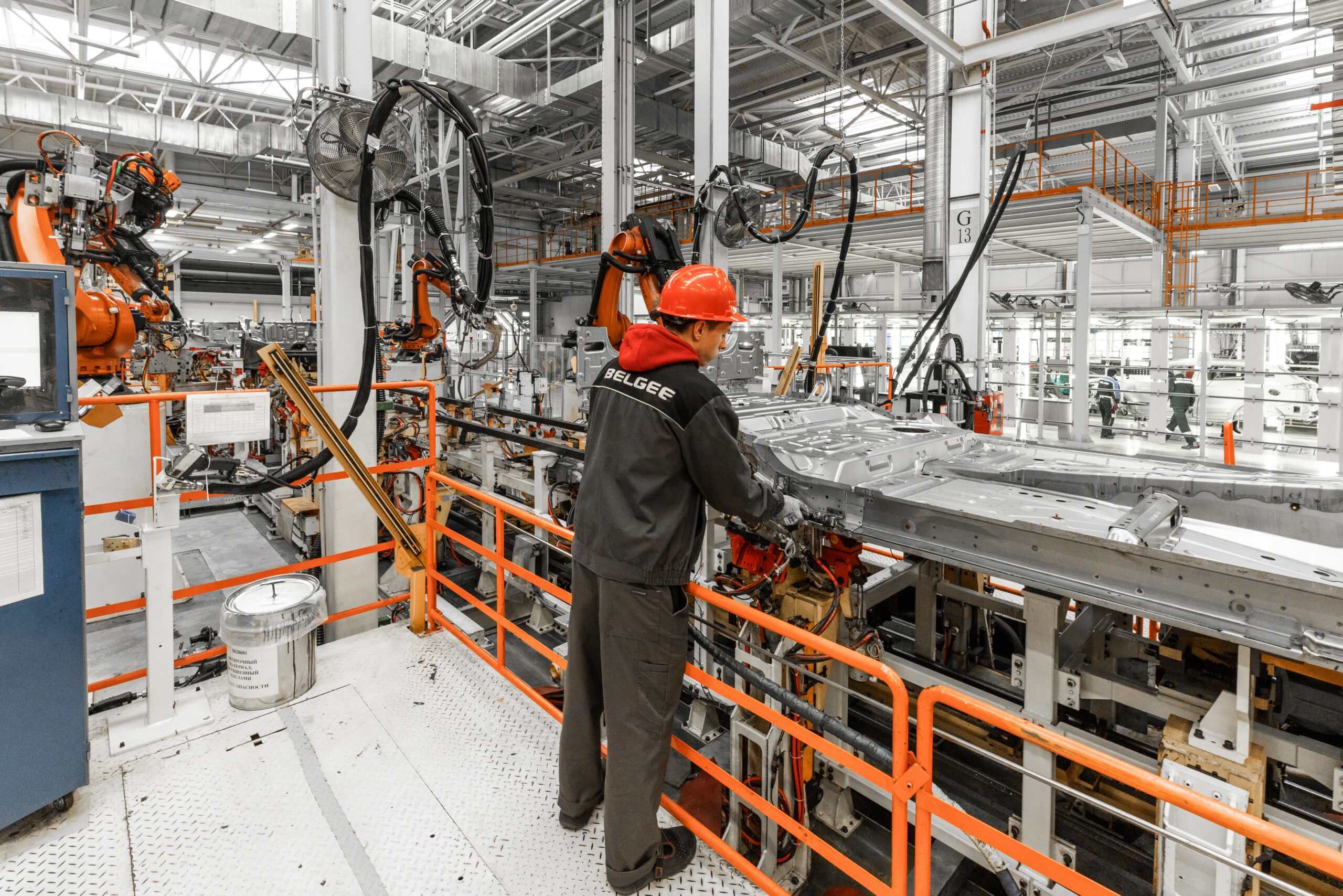
Industrial plant setup encompasses production, distribution, and even the installation of machinery. Detail-oriented planning must be paid attention to, extending to areas like compliance and workflow. Improperly planned setups will create inefficiency, may create hazards, or may produce excessive costs. Conversely, well-planned setups will contribute to productivity, minimize wastage, and ensure scalability in the long run.
Hence, these are production plant setup services that are mainly needed. Such services offer knowledge regarding all aspects of the process. This helps businesses evade many pitfalls and facilitates the formation of a plant that is not only useful but also prepared for the future. In this article, we will discuss the complexities of manufacturing plant setup and highlight the importance of expert services.
1. Understanding Business Objectives
Defining business objectives comes as step one of any manufacturing plant setup procedure. Whether to increase the scale of production existing or producing a new line of products, or go into new markets-however, your objectives will guide each on subsequent decisions. Professional production plant setup services help businesses to align these goals with infrastructure design so that the plant is designed for both present and future needs.
2. Location Selection and Compliance
It’s absolutely crucial to choose the right location. Efficient and cost-effective operation depends on the ability to procure raw materials, with dependence on roads, transportation, electricity, and labor. In addition to these, each manufacturing plant must meet zoning, environmental laws, and industrial standards. With the help of experienced production plant setup services at every step of setting up, a business will be protected from any costly legal or regulatory consequence.
3. Facility Design and Layout
The design and layout of a plant affect productivity. A bad layout may actually cause bottlenecks, waste of time, and an unsafe working environment. Good manufacturing plant setup should build on lean principles; that is, the layout should support the smooth flow of materials, equipment, and people. Production plant setup services use 3D modeling and simulation tools to design layouts optimized for operational flow, space utilization, and safety.
4. Machinery and Equipment Selection
One of the most critical aspects of setting up a plant becomes the decision to invest in the right machinery. The choice depends on product specifications, expected production volumes, and technological requirements. Cutting-edge machines may carry a higher upfront cost but usually save money down the line by using less energy or requiring less maintenance. The installation plant setup services assist in vendor selection so that equipment meets quality and budget criteria.
5. Utility and Infrastructure Planning
Utilities such as electricity, water, compressed air, and waste disposal systems will remain the lifeline for a manufacturing plant setup. If utility needs are underestimated, then doubtless, in return, such a plant will face shutdowns at times, gradual increases in operating costs, and so forth. Production plant setup service providers carry out detailed assessments for designing a utility system that would be reliable, sustainable, and scalable.
6. Workforce Planning and Training
A manufacturing facility can only be as efficient as the people managing it. Thereby, setting up a plant necessitates hiring skilled personnel and providing them personal training. Workers need training in operations, safety, and quality standards. Many plant setup service providers offer workforce planning and training programs to see that everyone is ready from day one.
7. Technology Integration and Automation
Gaining a competitive edge via manufacturing plant setup uses automation and digital technologies in the present world. In fine words, from robotics to IoT-enabled systems, automation can maximize productivity, minimize human errors, and facilitate real-time monitoring. Thus an expert production plant setup service balances automation according to the company’s target and budget so that efficiency and investment have equal footing.
8. Quality and Safety Standards
A company’s quality assurance is the core of any manufacturing process. In-house testing systems, SOPs, and adherence to international quality standards ensure that the product meets the expectations of the market. A residual safety protocol would protect the employees and limit liability risks. Production plant installation services would seal the quality and safety systems into the very foundation of the plant so as to avoid costlier remedial measures.
9. Scalability and Future Expansion
Setting up a manufacturing plant means more than just fulfilling the immediate needs it means facilitating growth. Infrastructure should be designed in such a manner that would allow it to accommodate new product lines, new workforce, and new technologies so the plant can still remain relevant in years to come. Since production plant setup services emphasize scalability, businesses will be allowed to grow without restructuring or interruptions.
Conclusion
Industrial plant setup goes way beyond machinery and construction. Location, compliances, types of technology, and human resource planning-all these together work wonders for the matrix of efficiency and profitability of a plant. Many times, the individual tries to deal with these complexities, and often it becomes overwhelming and costly.
From here come the concepts of professional services on the setup of production plants. The professionals with their experience, industrial knowledge, and links with credible vendors, make the production setup smooth, compliant, safe, and scalable. By seeking professional assistance, organizations cement long-term success-oriented production setup, besides being just a plant running for the time being.
From constructing one and only first plant to further growth into new markets, partnering with the professional setup services makes sure not a single detail is overlooked, thus saving time and money and paving the way toward sustainable growth.
FAQs
1. What are the key steps in setting up a manufacturing plant?
The main steps include defining business objectives, choosing the right location, designing an efficient layout, selecting machinery, planning utilities, hiring and training staff, integrating technology, ensuring quality and safety, and planning for scalability.
2. Why is location selection so important in manufacturing plant setup?
Location impacts raw material access, transportation, utility availability, labor costs, and compliance with zoning or environmental regulations. A poor choice can increase costs and limit growth.
3. Why is utility and infrastructure planning critical for plant setup?
Electricity, water, compressed air, and waste management are lifelines of a plant. Poor planning can cause downtime, higher operational costs, or even production stoppages.
4. How important is workforce planning in a new manufacturing plant?
A plant is only as effective as its workforce. Hiring skilled workers and providing training in operations, safety, and quality standards ensures smooth day-one operations.
5. What role does automation play in modern manufacturing plants?
Automation through robotics, IoT systems, and digital monitoring enhances productivity, reduces errors, and provides real-time insights. The level of automation should align with company goals and budget.